Smart Object Design
Where precision engineering meets thoughtful design.
Industrial Design
|
4 min read
Smart Object Design
Written by:

Marcus Tanaka
Industrial Designer
Share this to:
Industrial design transforms everyday objects through thoughtful engineering, material exploration, and human-centered thinking, creating products that feel practical, durable, and visually refined.
Manufacturing Constraints
Industrial designers must balance creativity with real manufacturing limitations. Materials, production methods, and assembly processes influence how ideas evolve from early sketches into practical, manufacturable products.
Materials and Durability
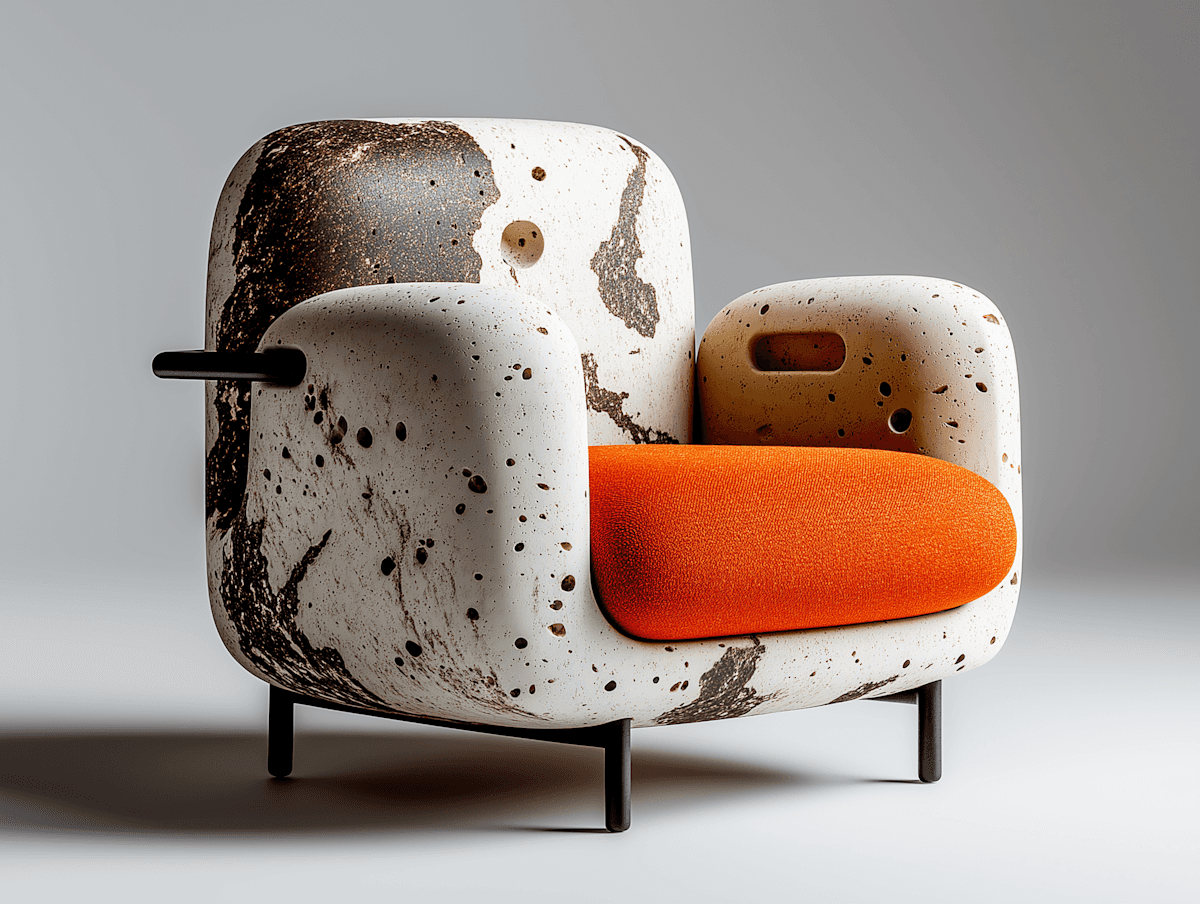
Selecting appropriate materials defines how products perform and age. Designers evaluate strength, texture, sustainability, and cost to ensure objects remain reliable while maintaining visual and tactile quality.
"Great industrial design improves objects by refining materials and functionality, making them effortless to use."
— Yves Béhar
Ergonomics and Usability
Designers carefully study how people hold, move, and interact with objects. Ergonomic considerations ensure products feel comfortable, efficient, and intuitive during everyday use and handling overall.
Conclusion: Design That Endures
Successful industrial design balances aesthetics, engineering, and usability perfectly. When products combine durability, comfort, and thoughtful form, they remain relevant and highly useful for many years ahead.
Key Takeaways
Constraints shape product design.
Materials affect durability.
Ergonomics improves product usability.
Engineering supports design solutions.
Simplicity often creates lasting products.